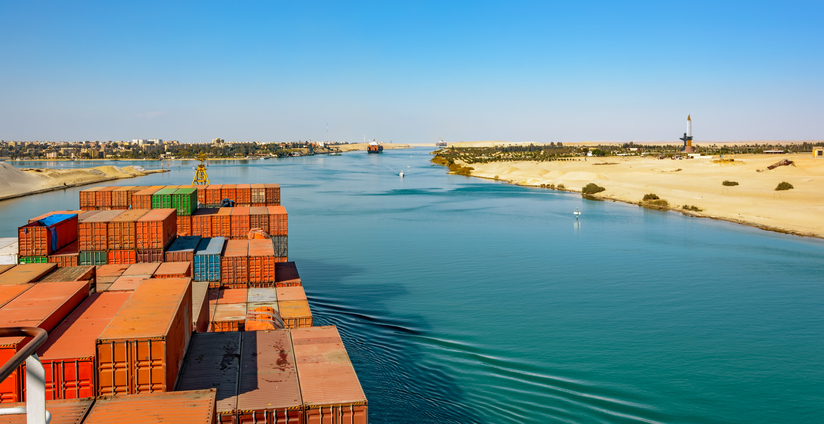
Since late 2023, escalating tensions in the Red Sea due to attacks by Houthi rebels have significantly affected global shipping. The Suez Canal, a vital shortcut between Asia and Europe, saw traffic drop dramatically as ships rerouted around the longer Cape of Good Hope route. This disruption increased shipping costs, extended delivery times, and impacted global supply chains.
Key Impacts:
- Container and tanker ships faced longer voyages (+10–14 days).
- Freight, insurance, and fuel costs spiked, influencing global commodity prices.
- Egypt’s Suez Canal revenues fell sharply, prompting discounts and strategic measures to attract ships back.
Current Situation (Late 2025):
A partial ceasefire and increased security measures have gradually restored confidence. Major carriers are returning to the Suez Canal, and traffic levels are improving, though shipping companies remain cautious. The crisis highlights the vulnerability of global trade routes and the importance of maritime security for international commerce. Below, I have created an interactive analysis by analysing data from the Suez Canal Authority with the use of Python and Plotly, showing trends in traffic and net tonnage. Explore the figures to see how the crisis affected shipping patterns in the Suez Canal and how recovery is progressing.
For the optimum user experience, I recommend exploring the charts on a desktop environment or by rotating your mobile screen to horizontal (landscape) view.
Contents
Analysis Highlights